
Regulatory Influences on Promotional Structures Connecting Live Roulette Tables to Slot Variants in Swiss Digital Markets
Swiss digital gaming markets operate under a tightly defined legal structure that shapes how operators link promotional offers across live roulette tables and various slot variants, and recent updates scheduled for October 2026 continue to refine those boundaries. The Federal Act on Gambling establishes clear parameters for bonus mechanics, requiring that any cross-game promotions maintain strict separation between chance-based elements in live dealer environments and automated reel sequences found in slot products. Data from the Swiss Federal Gaming Board indicates that licensed platforms must document every promotional pathway to prevent unintended blending of jackpot triggers or multiplier systems that could otherwise connect a live roulette spin outcome directly to a slot progressive pool.
Core Regulatory Framework Governing Cross-Game Offers
Operators active in the Swiss market follow rules that limit the duration and value of layered bonuses when live roulette tables feed into slot variant features, and these restrictions stem from requirements for transparency in player communication. Research published by the European Gaming and Betting Association shows that promotional structures must isolate live dealer contributions from automated slot mechanics so that eligibility criteria remain distinct rather than merged into a single campaign. This separation affects how welcome packages, reload incentives, and loyalty rewards distribute across game categories, with each segment required to carry its own terms that reference specific wheel configurations or reel configurations without overlap.
Impact on Live Roulette Integration With Slot Variants
Live roulette tables in Swiss-licensed environments often appear alongside slot variants that carry progressive elements, yet regulatory language prohibits direct transfer of winnings or bonus credits between these formats unless separate verification steps occur. Figures released by the Swiss Federal Gaming Board reveal that platforms must implement technical controls ensuring a roulette bet placed in real time does not automatically unlock slot free spins or multiplier boosts without an independent player action. Such controls extend to jackpot mechanics where live table contributions remain ring-fenced from slot progressive triggers, forcing operators to design parallel rather than unified reward ladders.
October 2026 Adjustments and Their Reach
Beginning in October 2026, revised guidelines will require enhanced reporting on promotional structures that attempt to connect live roulette sessions with slot variant campaigns, and these changes build on existing obligations for audit trails. Platforms must demonstrate that any shared loyalty point systems treat roulette and slot activity as distinct revenue streams, preventing the appearance of a combined jackpot pathway. Observers note that this adjustment aligns with broader European efforts to standardize cross-border compliance without altering core Swiss licensing criteria.
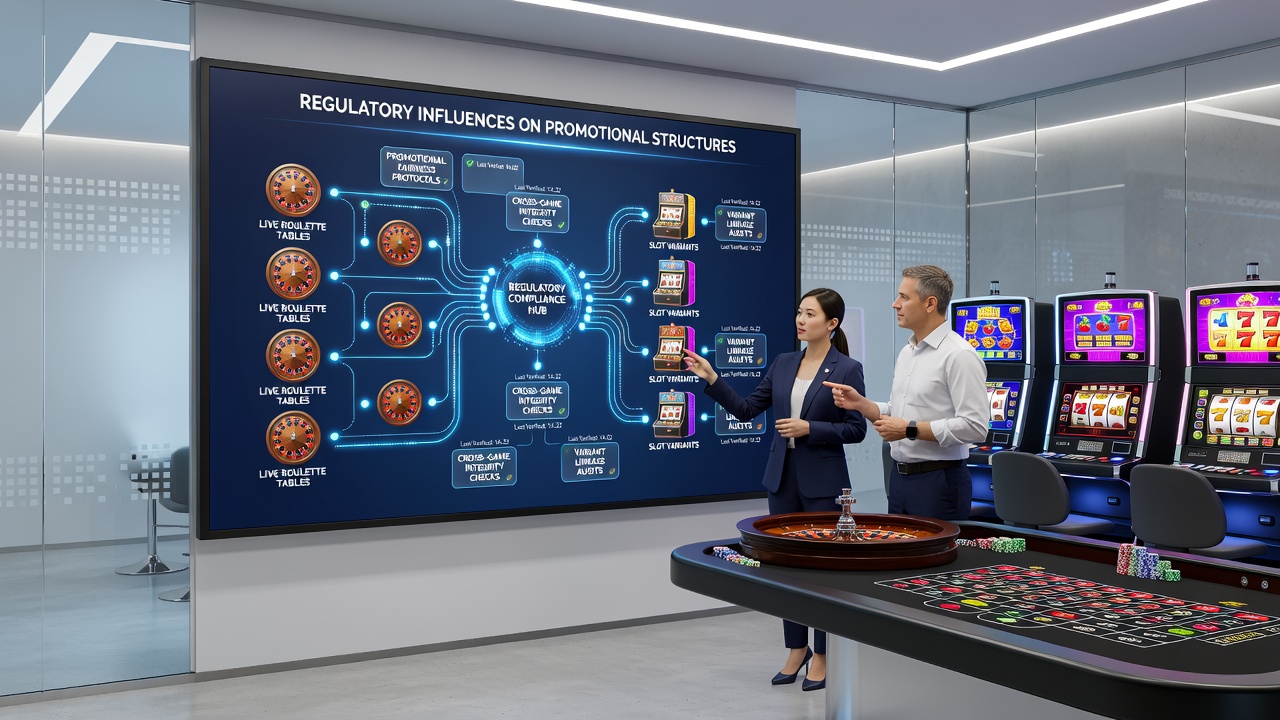
Technical Compliance Measures in Practice
Operators deploy segmented bonus engines that assign separate identifiers to live roulette activity and slot variant play, ensuring that regulatory audits can trace every credit movement without ambiguity. Studies from academic research centers focused on gambling policy indicate that such segmentation reduces the risk of inadvertent promotion of combined jackpot features that might otherwise suggest a continuous reward loop across game types. Mobile interfaces in the Swiss market reflect these constraints through distinct navigation flows, where selecting a live table does not automatically surface slot variant promotions tied to the same account balance.
Market Data and Operator Responses
Market analysis covering Swiss digital platforms shows that promotional budgets allocated to live roulette tables remain tracked independently from those assigned to slot variants, and this accounting practice satisfies oversight demands while allowing targeted campaigns within each category. Those who have examined licensing filings report that operators increasingly rely on modular bonus architectures capable of activating or deactivating cross-links in response to rule changes, particularly ahead of the October 2026 implementation window. This modular approach supports rapid reconfiguration without requiring full system overhauls when new documentation standards take effect.
Conclusion
Regulatory influences in Swiss digital markets continue to define the boundaries within which promotional structures can connect live roulette tables to slot variants, and the framework emphasizes separation, transparency, and auditable pathways. As October 2026 approaches, operators maintain compliance through technical segmentation and independent tracking mechanisms that respect the distinct nature of each game format while satisfying oversight requirements set by the Swiss Federal Gaming Board. These structures ensure that any future adjustments remain grounded in documented practices rather than merged reward systems.